Azul and Altitude: Discovering the Ancient Soul of the Atlas Berber Villages
Tour Overview
The Atlas Mountains are North Africa’s most majestic mountain range, acting as a crucial barrier between the lush Atlantic coast and the Sahara Desert. The most visited section is the High Atlas, which includes the country’s highest peaks and is easily accessible from Marrakech.
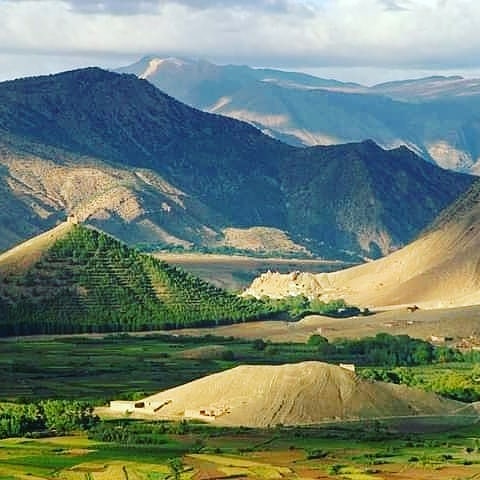
The Landscape: Peaks, Valleys, and Passes
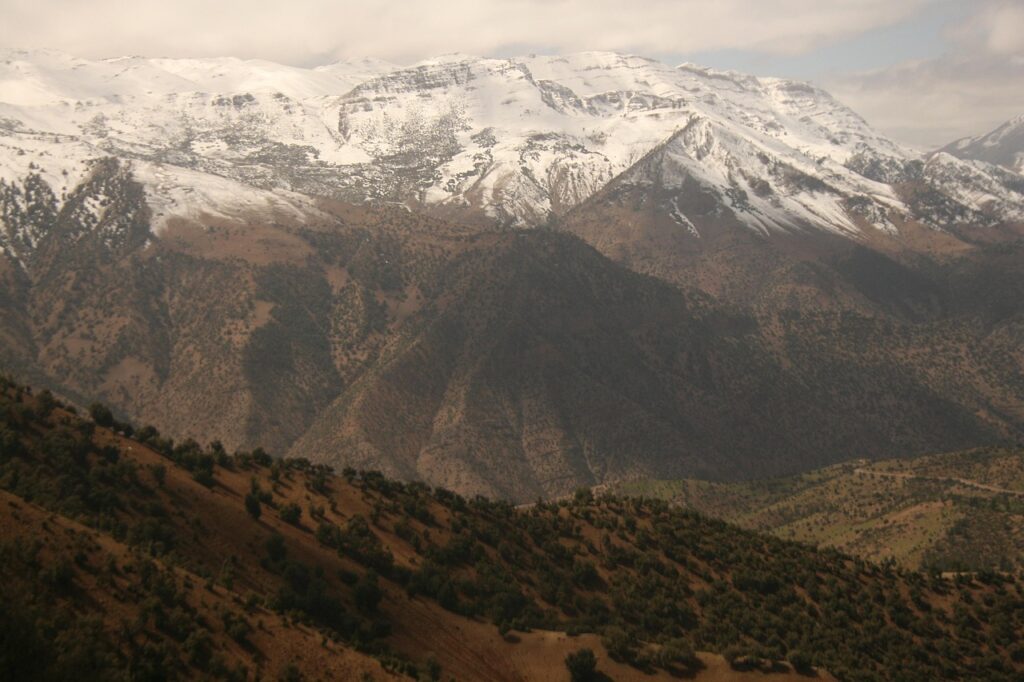
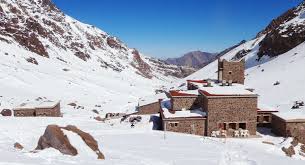
The Scale: Home to Jebel Toubkal (4,167m / 13,671ft), the highest peak in North Africa. The peaks are often snow-capped from autumn through late spring.
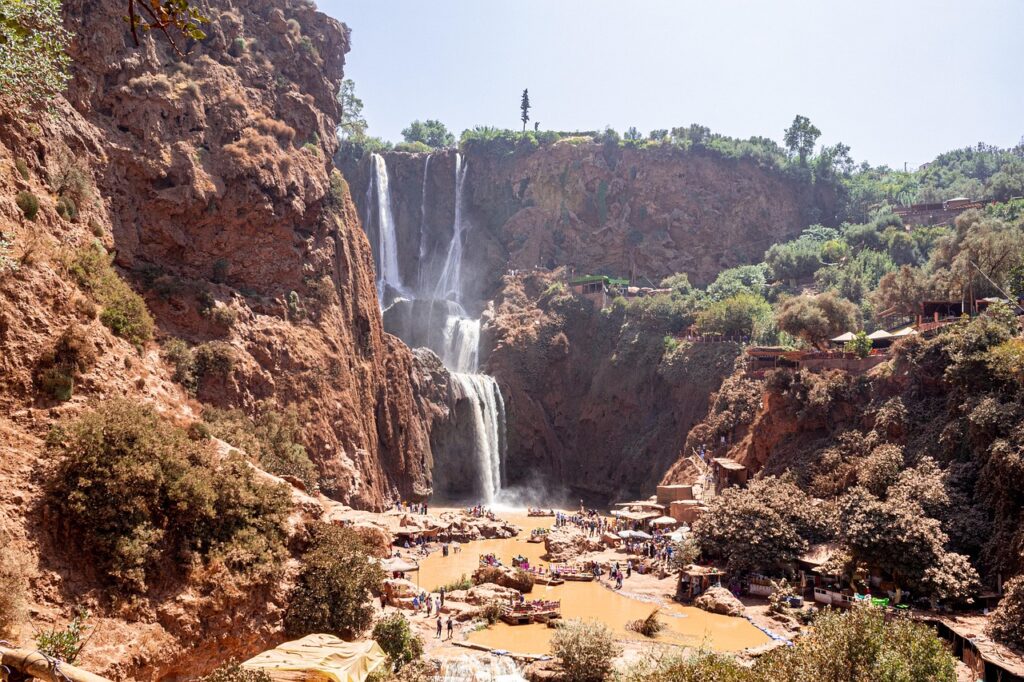
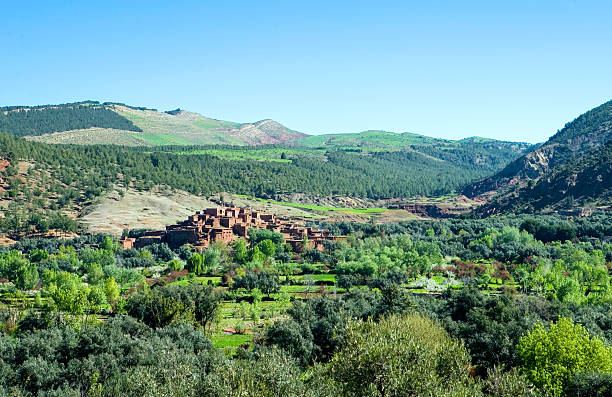
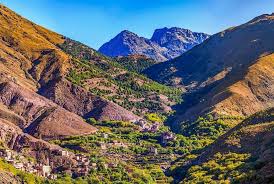
The Contrast: The scenery changes dramatically from high, rocky, rugged mountain passes to deep, fertile valleys like the Imlil and Ourika Valleys, filled with walnut groves, terraced farms, and rushing streams.
Key Hub:Imlil is the most popular village, serving as the main gateway and starting point for most treks in the Toubkal region.
The Hiking Experience: From Day Trips to Expeditions
The area caters to all levels of adventurers:
Day Treks: The most popular option from Marrakech. These usually involve a 2-4 hour guided walk through valleys, terraced orchards, and Berber hamlets (like Aroumd), often including a traditional lunch at a local home.
Multi-Day Treks: For serious hikers, routes range from a challenging two-day ascent of Mount Toubkal (requiring an overnight at a mountain refuge) to multi-day, village-to-village circuits through more remote areas like the Azzaden or Aït Bougmez valleys.
Logistics: Hiring a local, licensed guide is highly recommended for navigation, safety, and cultural insight. Luggage for multi-day treks is often carried by mules.
Berber Culture: The Indigenous Heart
The mountains are the traditional homeland of the Berber people (who call themselves Amazigh, meaning “free people”). Their ancient culture is the soul of this region.
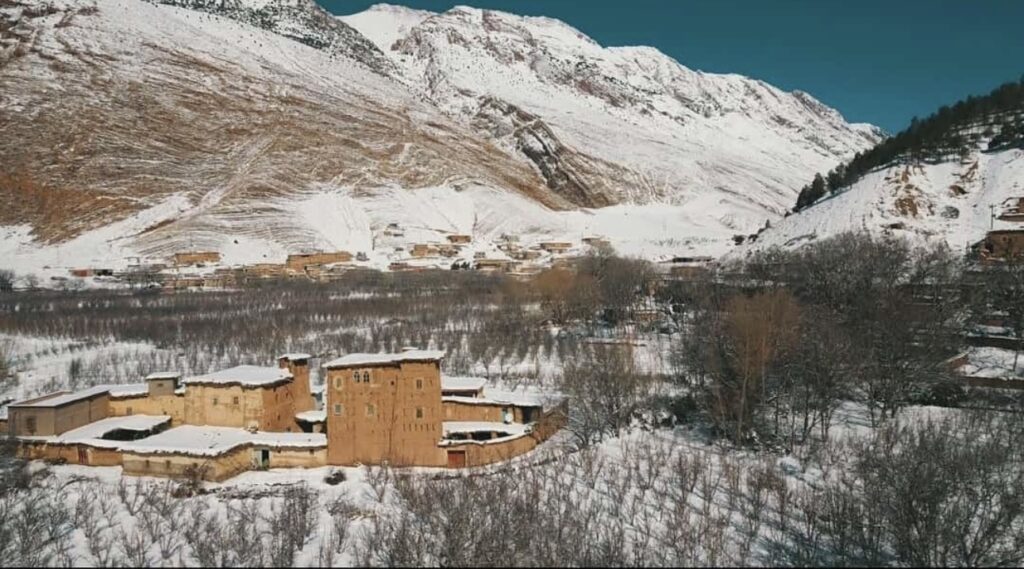
Traditional Life: Berber villages consist of adobe (mud-brick) houses built right into the hillsides. Life is tied to the seasons, agriculture, and livestock (goats and sheep).
Hospitality: Berber hospitality is legendary. Visitors are frequently welcomed into homes for mint tea and traditional meals like tagine and couscous, providing an authentic cultural connection.
Language: While many speak Moroccan Arabic and French, the local language is Tamazight. Learning a few basic phrases (like Azul for hello) is a wonderful gesture.
Best Time to Visit
Spring (March–May): Ideal for trekking, with wildflowers, green valleys, and pleasant temperatures before the summer heat.
Autumn (September–November): Excellent weather for hiking, with clear skies and the valley turning to beautiful fall colors.
Winter (December–February): Possible for hiking but often requires appropriate gear for snow and ice, especially at higher altitudes.
From Valley Floor to Summit: Start Your Atlas Mountain Adventure Today!
Berber Life on a Budget: Your Guide to Affordable Hiking and Culture in the Atlas